Illustrative image
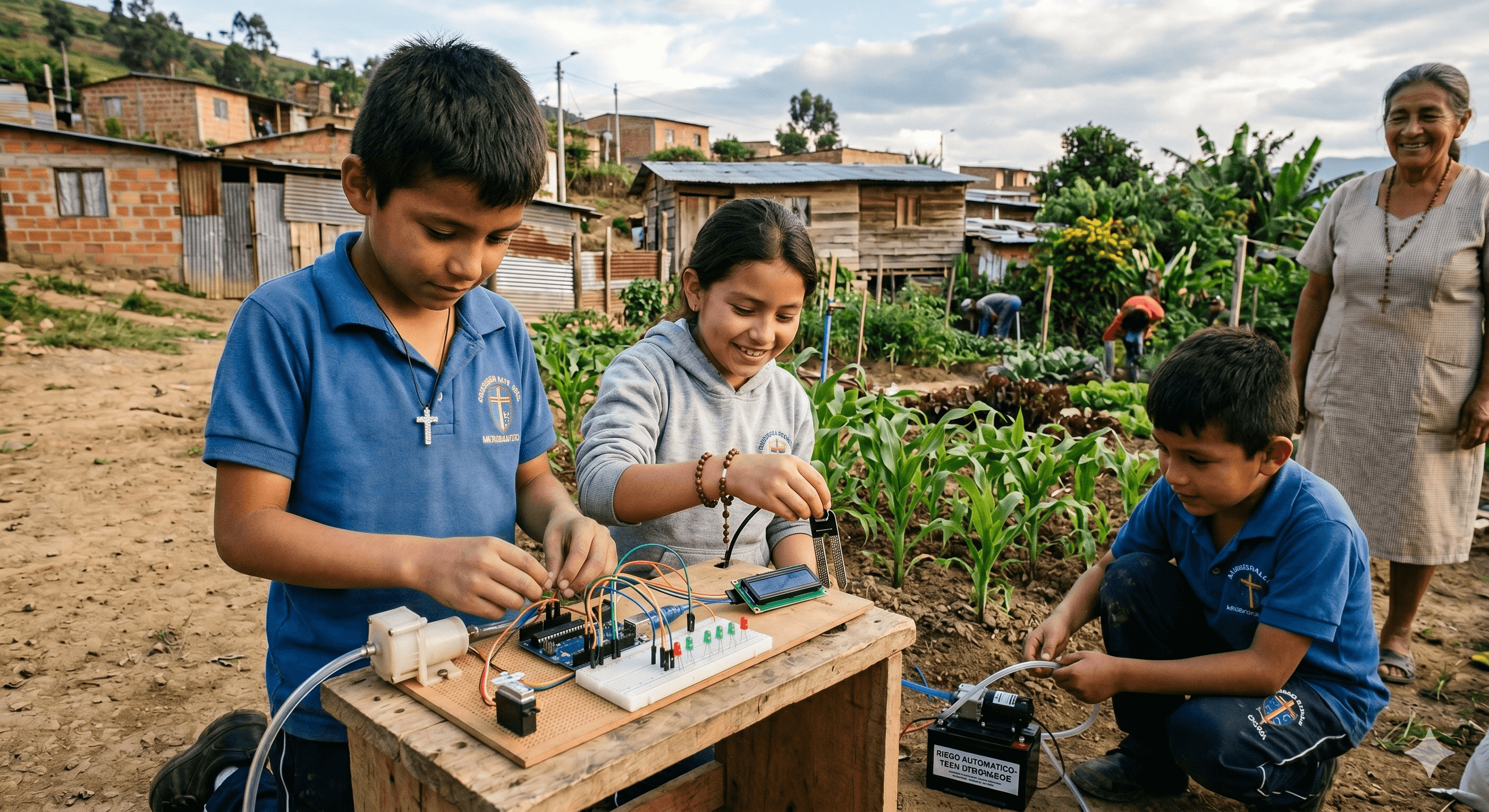
Rural communities
Solutions that reach where others don't: water, energy, health, agriculture.
The Olympiad
Everything a school, family, or congregation needs to know.
CROSS Olympiad — Catholic Robotics Olympiad for Science and Service — is an educational experience of Catholic identity and ecumenical vocation, international in scope, where teams of young people design and deploy robotics and AI solutions in service of real vulnerable communities.
It is open to Catholic, evangelical, and non-denominational schools that share the commitment to put technology at the service of human dignity.
Important
The name CROSS is not an acronym. It is a declaration: technology, when placed at the service of human dignity, takes the form of the Cross — it gives itself, it does not impose.
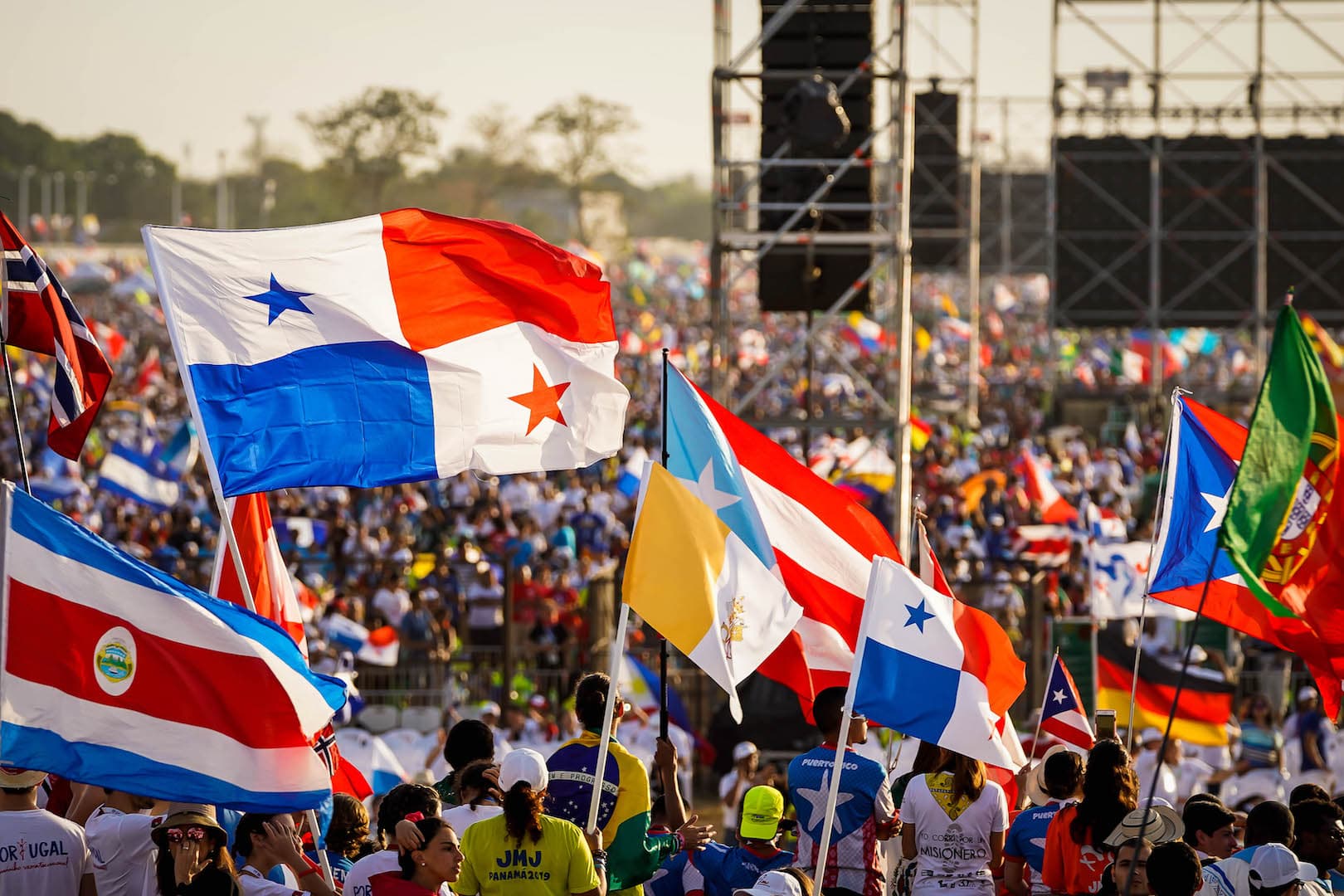
JMJ Panamá 2019
Una olimpiada de vocación internacional y ecuménica, con sede en Panamá.
Illustrative image
Pilgrims
Ages 10 – 13
5 to 8 students
They learn to serve with AI in close-by projects.
Illustrative image
Builders
Ages 14 – 18
5 to 8 students
They deploy complex technology in real communities.
Both categories participate with rubrics differentiated by formative maturity. Neither group is lesser than the other: they are two moments of the same calling.
The olympiad in the field
Each CROSS team chooses a real community and designs a solution for it. These are some of the contexts where the olympiad comes to life.
Illustrative image
Solutions that reach where others don't: water, energy, health, agriculture.
Illustrative image
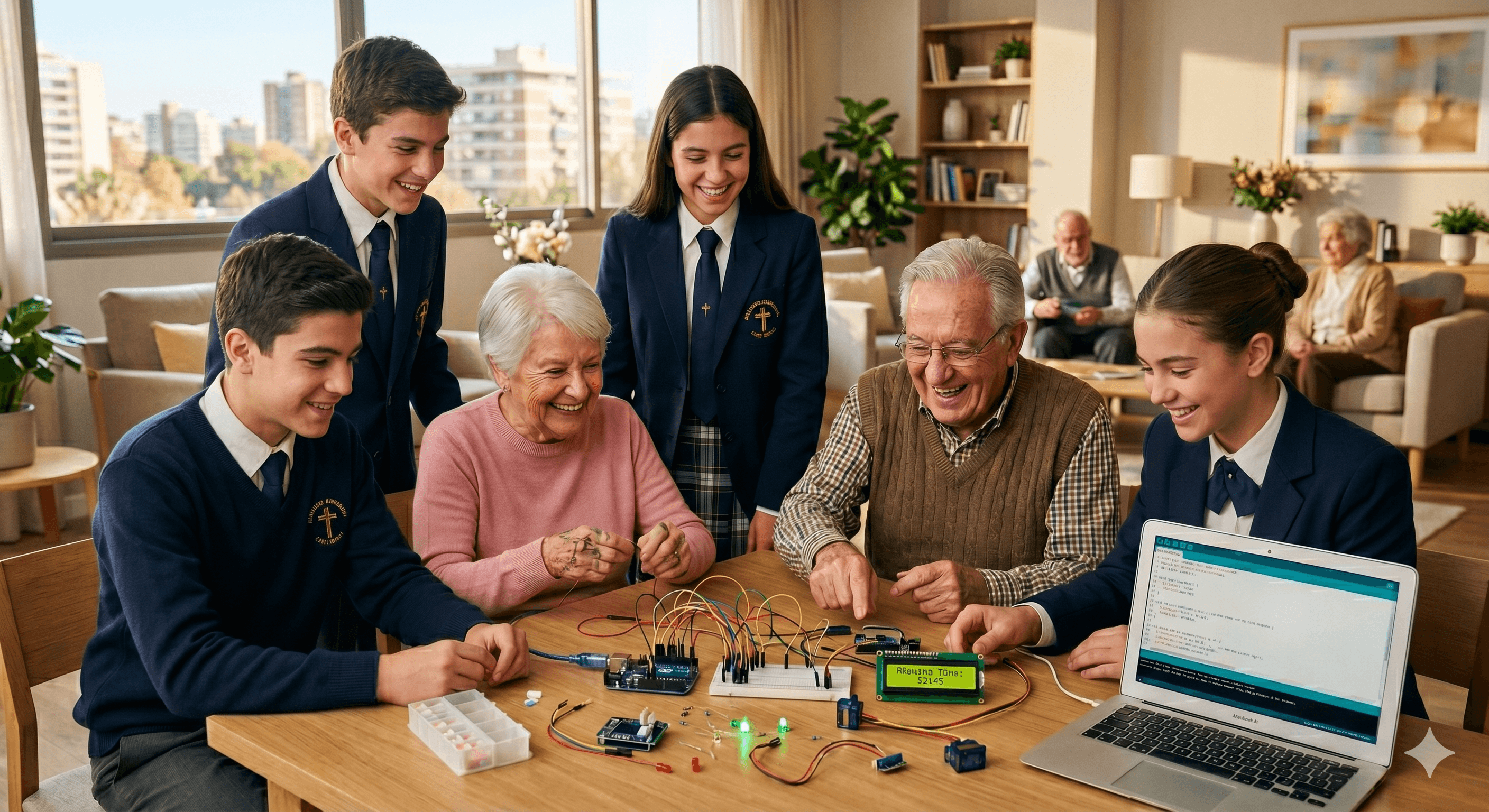
Technology that safeguards the dignity of those who came before us, rather than replacing them.
Illustrative image
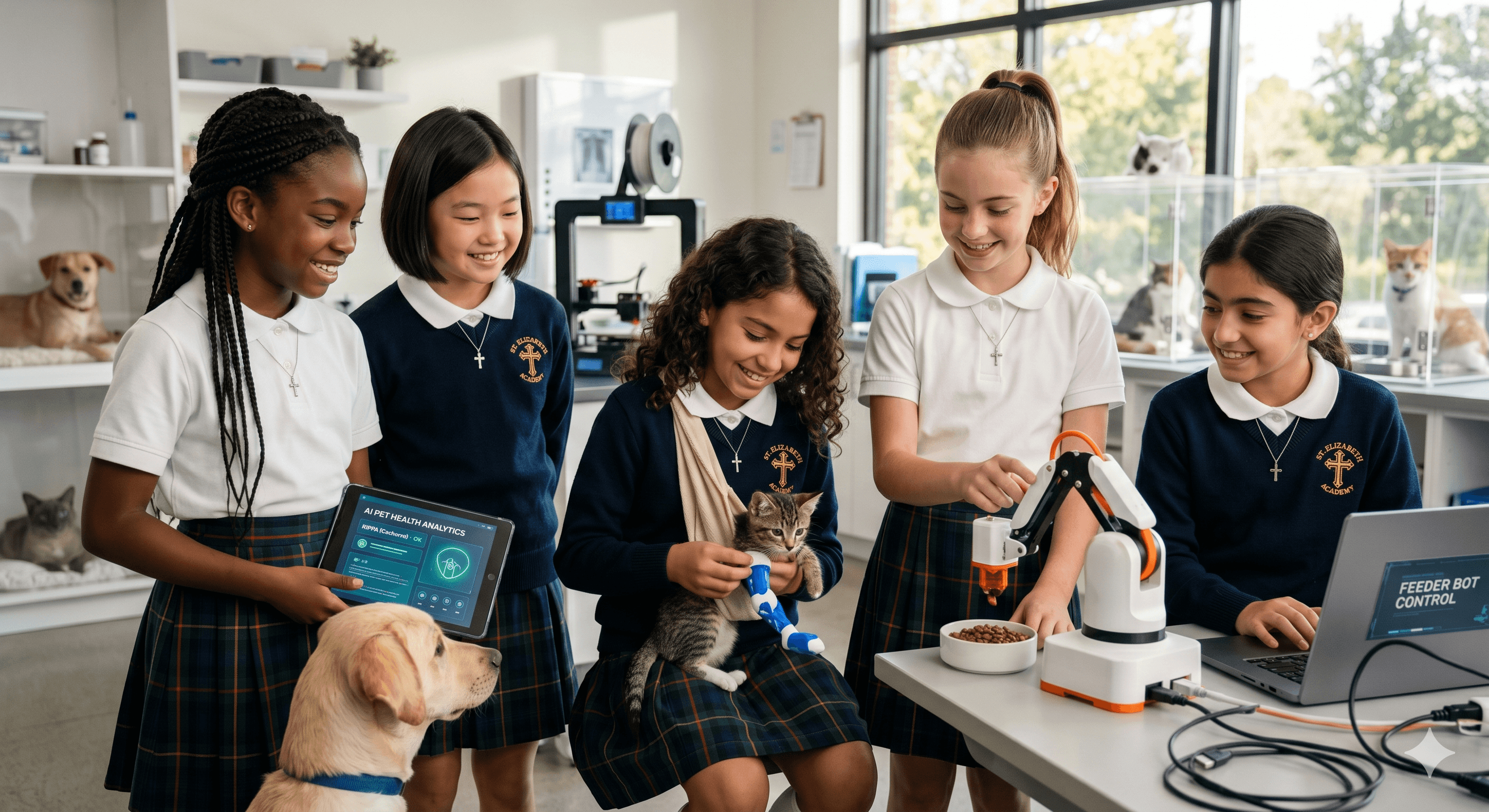
AI at the service of creation: shelters, welfare, and animal rescue.
Illustrative image
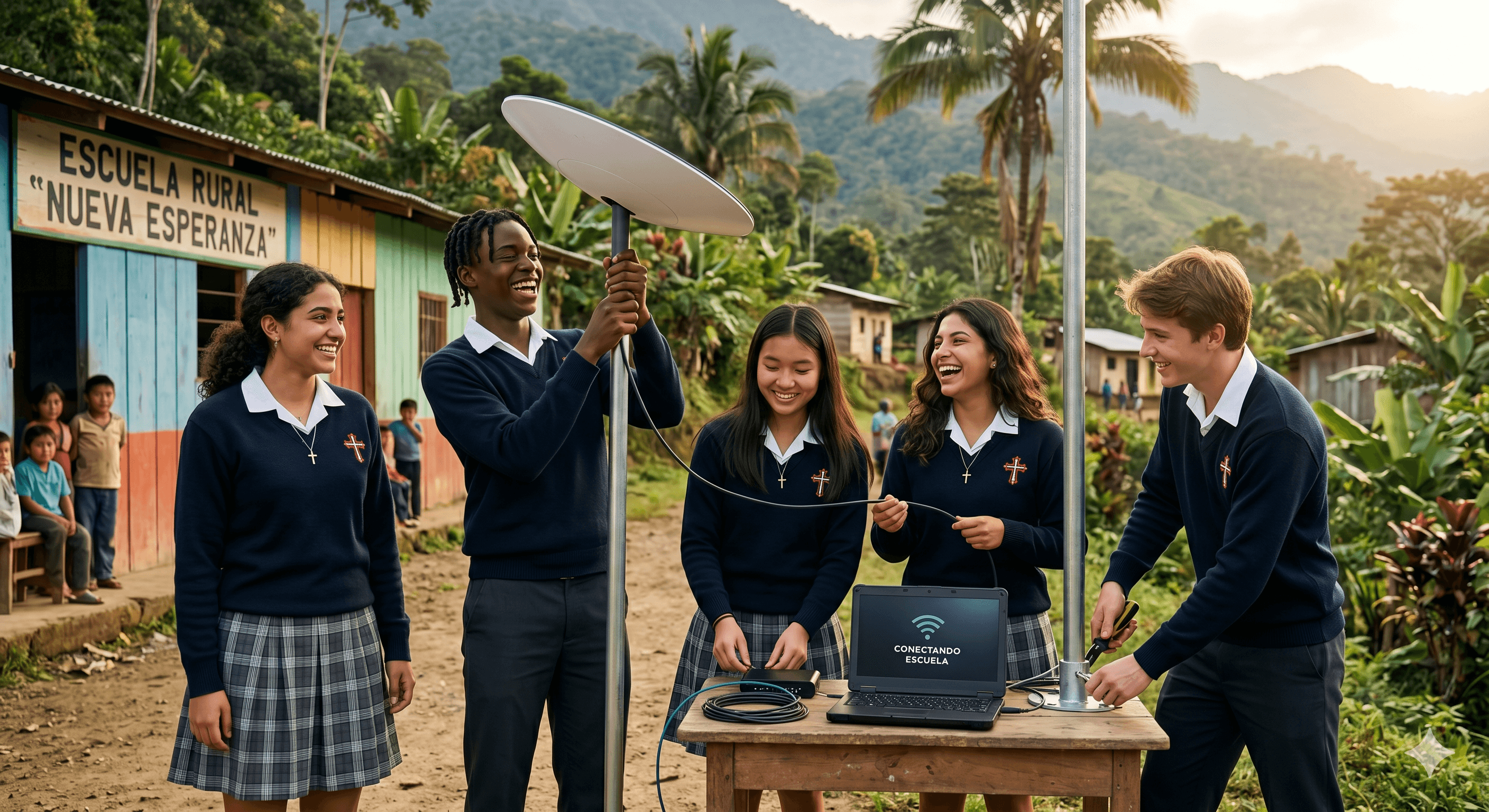
Closing the digital gap in schools that still lack real access.
The five Pillars of CROSS are not administrative criteria: they are the pedagogical expression of the five chapters of Magnifica Humanitas. They are the horizon every team aspires to during the six months of the process, and the lens through which judges read the work completed.
Chapter I
Did the solution emerge from genuine spiritual discernment?
Chapter II
Does the design begin with the equal dignity of the person being served?
Chapter III
Does the technology safeguard humanity rather than replace it?
Chapter IV
Did the school protect truth, dignified work, and freedom?
Chapter V
Was the vulnerable community truly served and uplifted?
The event is the final celebration, but CROSS is won —and lived— during the six months before, in real work with a vulnerable community.
Preparation
Month 1
The team forms, acquires tools, raises funds, and identifies its community.
Mission
Months 2–4
Three months of real fieldwork. The solution is built alongside the community.
Discernment
Month 5
Teams wishing to present in Panama submit their complete portfolio.
Testimony
Event
Selected missions travel to Panama to bear witness to what was already done.
Fidelity
Months 6–7
Commitment doesn't end in Panama. Service continues for two more months.
| Weeks 1–3 | Design and first visits | First prototype defined on paper or in code |
| Weeks 4–6 | First prototype built | First real field test with the community |
| Weeks 7–9 | Iteration with feedback | Second version incorporating what was learned |
| Weeks 10–12 | Final deployment and documentation | Working solution + Portfolio + Community video |
A student may take on more than one; two may share the same. No role is more important than another. One to three adults (mentors) support without building, programming, or writing for the students.
Rol 1
Builds and integrates the robot or physical system. Criterion: it must work in real field conditions.
Entregable: Technical documentation of the robot.
Rol 2
Designs and implements the technology solution. Code lives on GitHub from day 1.
Entregable: Public, well-commented GitHub repository.
Rol 3
Leads the weekly faith reflection. Accompanies the community.
Entregable: Weekly faith & impact log (12 entries minimum).
Rol 4
Raises funds, manages the budget, and cares for the continuity of impact.
Entregable: Report of funds managed and economic impact.
Rol 5
Documents the whole process and communicates outward. The voice and memory of the team.
Entregable: Community video or letter + visual portfolio.
Rol 6
Emerges from the process, is not designated from outside. May also take any other role.
Entregable: Narrative letter of the project.
The physical heart of every event is not a competition arena but each school's Missionary Post: a 2×2×2 meter space, free in design, where the school presents its project, receives the judges, dialogues with other schools, and lives the moments of the event.
The voice that weighs most with the jury is not the technical judge's: it is the vulnerable person who was served and who appears in the video or community letter.
Imagen ilustrativa
✝
Schools receive their sending as builders and digital missionaries.
✦
Teams remain at their Missionary Posts in adoration and silence. The six months of accumulated work are the offering.
✦
Schools sign their Commitment of Continuity and receive blessing. The exhortation is always the same: what you built does not end here.
Evaluation
Total
200 points
The team knows the community deeply. They can describe impact on concrete people, with names and faces, not in the abstract.
The robot or AI system works in real field conditions. The GitHub repository has documented iterations. It assists without replacing the community's participation.
The twelve weeks are documented in the portfolio. The faith log has at least eight entries. There is visual evidence of fieldwork.
The team presents with conviction and authenticity. The community's video or letter shows real impact.
The team has a real plan to keep serving. The dimension of faith is authentically integrated, not decoration.
Instead of a general champion, CROSS Olympiad grants 26 awards. A team may receive more than one.
The Good Shepherd Award is chosen by the participating teams themselves. The Leo XIV Award is granted by the ecclesial representative.
Most coherent integration of faith and technology throughout the process.
Best evidence of a genuine discernment process when choosing the community.
Project born from an attitude of listening before acting.
Faith log that best evidences the transforming action of the Spirit.
Team that acted with courage facing its most difficult challenge.
Technology that most explicitly safeguards the dignity of the person served.
Project that chose the most forgotten person and placed them at the center.
School that crossed the most borders — cultural, geographic, or social — to serve.
Project that most contributed to restoring the dignity of someone discarded.
Solution that returned life and hope where there was abandonment.
Project that most gave voice to the small and lifted them up with technology.
Greatest technical excellence in building the solution.
Team that most multiplied its technical capacities during the process.
Clearest, best-commented, and most useful GitHub documentation for other teams.
Best demonstration that scientific rigor and faith do not contradict each other.
Project that served with constant fidelity throughout the entire process.
Greatest transparency and integrity in managing team funds.
Project that transformed vulnerability into an opportunity for life.
Greatest impact on the dignity of work and economic justice of the community.
Best protection of data and privacy of the community served.
Chosen by the teams themselves for the most generous during the event.
Most solid, detailed, and credible Commitment of Continuity.
Greatest number of lives concretely transformed and measurable.
Team that most lived gratuitousness: gave without expecting recognition.
Most authentic and transforming community video or letter.
Granted by the ecclesial representative to the project that best embodied the spirit of Magnifica Humanitas.
Organized by
Supported by